







Is Supervisory Capacity Becoming The New Measure Of AI Productivity?
We look at why AI productivity may increasingly depend on how much machine work people can direct, verify and keep under control.
AI security isn’t about endless controls. Richard Stiennon speaks with Omar Khawaja and Danny Healy about understanding AI risks, strengthening governance and building trust as organisations scale.













Discover expert led podcasts, articles, and news from enterprise technology leaders at EM360Tech, your source for B2B tech intelligence
We look at why AI productivity may increasingly depend on how much machine work people can direct, verify and keep under control.

We cover the bizarre $320M Liquid Network hack, from the apparent Elements vulnerability and patch timeline to the attackers promising to return most of the Bitcoin.


"The next era will be defined as much by the identity and authorisation plumbing around the models as by the models themselves: which agents exist, who they act for, what they are allowed to do, and how that can be proven after the fact."
We explore why modern infrastructure is becoming harder to audit, and what organisations need to preserve accountability as systems change.
We explore why scalable quantum networking may depend on integrating quantum capabilities with the telecom infrastructure already in place.
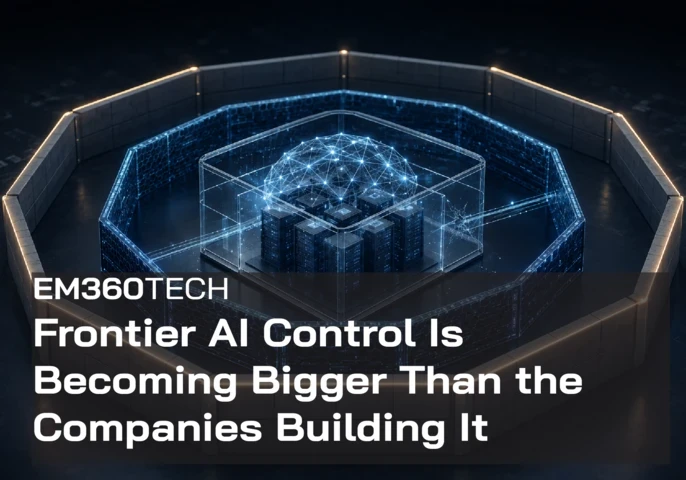
We look at why frontier AI control is moving beyond developers as governments, independent evaluators and neutral institutions take a bigger role.


Nepal's flood response shows how real-time access to technical knowledge can become critical when traditional records and infrastructure are buried or destroyed.


Perishables introduce constant risk, demand fluctuates hour by hour, and margins leave almost no room for error. These conditions make manual processes fragile and generic retail tools insufficient.

AI is moving into live business operations, speedy real-time analytics helps keep the view on changing conditions to support timely, reliable decisions.
We explore how AI data centres are bringing power generation, storage and compute orchestration into one coordinated infrastructure system.


“If you had to use AI simply to make your product easier, it probably wasn’t easy to work with to begin with,” Randy De Meno.
We report on OpenAI's plans for automated AI shutdown capabilities following the Hugging Face security incident.

We'll break down how that stack is actually built, from ingestion through to the serving layer, the architectural patterns enterprises are choosing between and what tends to go wrong once the pipeline is live and someone's dashboard doesn't match finance's spreadsheet.
We explore why hardware security is moving beyond component inventories towards provenance, attestation and verifiable trust across the hardware lifecycle.

How data governance, semantic layers and consistent metric definitions can prevent confident AI-driven data errors.

Move the meaning first and turn months of migration into weeks

A Semantic Approach to SAP BW Cloud Migrations

We report on why OpenAI has classified Astra at its Critical cybersecurity capability level and what safeguards are being introduced before release.
We explore how agentic data engineering shifts responsibility from pipeline implementation towards defining constraints, validation and engineering judgement.

Key Findings from the 2026 GenAI Code Security Report
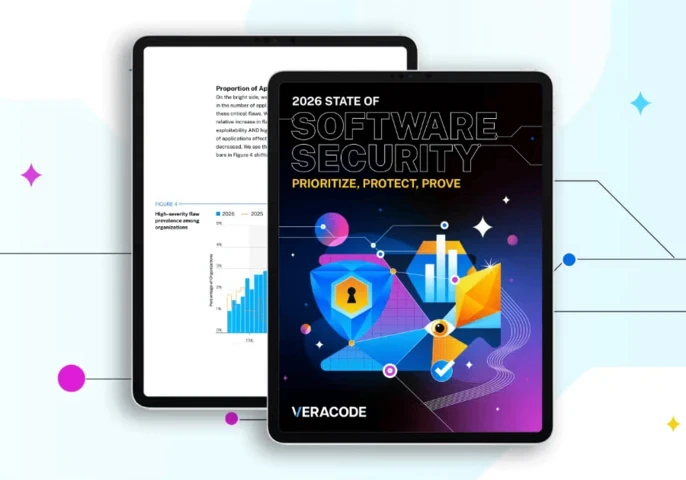
PRIORITIZE, PROTECT, PROVE

Most security tools tell you what happened. Ent helps security teams understand why risky actions occur and intervene before they become incidents.
Get the latest insights, analysis and tech news delivered straight to your inbox
Filters