















OpenAI Calls On US To Lead Global AI Safety Standards
OpenAI called on the United States on Monday to lead an international effort to set technical standards for frontier AI.

“A simple question posed to an AI agent is quickly becoming a distributed computing problem."


Dr. Joe Perez is a powerhouse in the IT and education worlds, with 40-plus years’ experience and a wealth of credentials to his name. From Business Intelligence Specialist at NC State University to Senior Systems Specialist/Team Leader at the NC Department of Health & Human Services (and Chief Technology Officer at CogniMind), Perez is at the forefront of innovation and process improvement. With more than 22,000 LinkedIn followers and a worldwide reputation as keynote speaker, data management/analytics expert, and prolific, bestselling author, Perez is a highly sought-after resource in his field. He speaks at many conferences each year, reaching audiences in over 20 countries across the globe and has been highly-ranked by prestigious Thought Leader communities. He was recently inducted into both the IIBA Hall of Fame and the United Nations Global Network of Data Officers and Statisticians and was selected to be a Distinguished Fellow in the Public Sector Network's Future Government Institute. When Dr. Joe is not working, he shares his musical talents and gives back to his community through his involvement in his church's Spanish and military ministries.
Discover expert led podcasts, articles, and news from enterprise technology leaders at EM360Tech, your source for B2B tech intelligence
OpenAI called on the United States on Monday to lead an international effort to set technical standards for frontier AI.


Bridge the gap between your business context and AI success

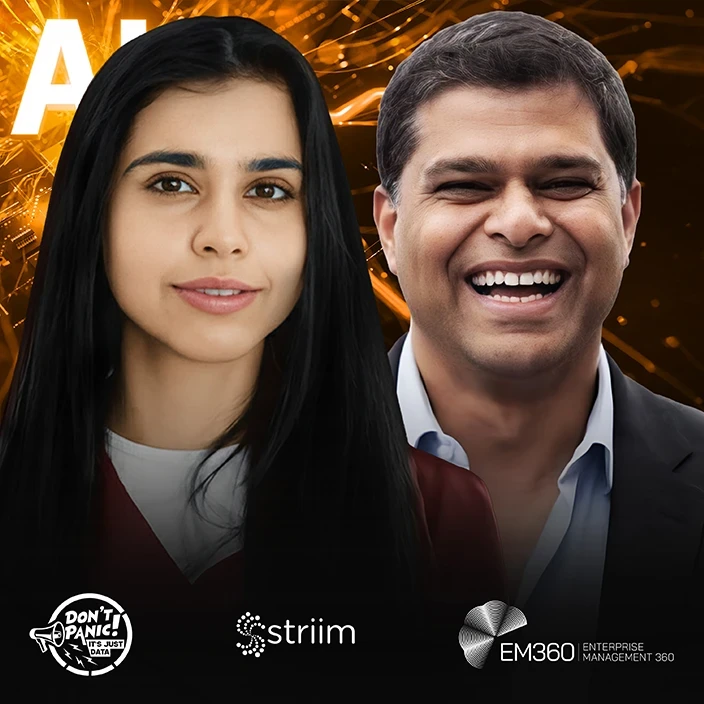
"In 18 months, the model you select will be less important to you than the data that feeds that model,” said Sundar Nathan, VP of Product Marketing, Enablement and Academy, Striim.

We look at how synthetic enterprises could give AI buyers more realistic, reproducible evidence of agent performance without exposing real company data.

China's humanoid robotics industry is attracting significant investment, but scrutiny is growing over truth behind valuations and commercial revenue.


What happens when security teams stop treating log data as something they have to ration? Richard Stiennon and Cliff Crosland explore why traditional SIEM architectures are struggling with modern data volumes.

We share the sessions, live demos, familiar faces and new experiences we’re most looking forward to at Big Data LDN 2026.

We look at why quantum performance metrics don’t always allow fair comparisons and what enterprises should consider when evaluating them.
State-linked hacking groups, including operators tied to North Korea and Iran, are driving the surge.
Meta CEO Mark Zuckerberg says competition and legal liability give AI companies sufficient incentives to develop safely, as industry leaders debate whether advanced AI requires coordinated oversight.
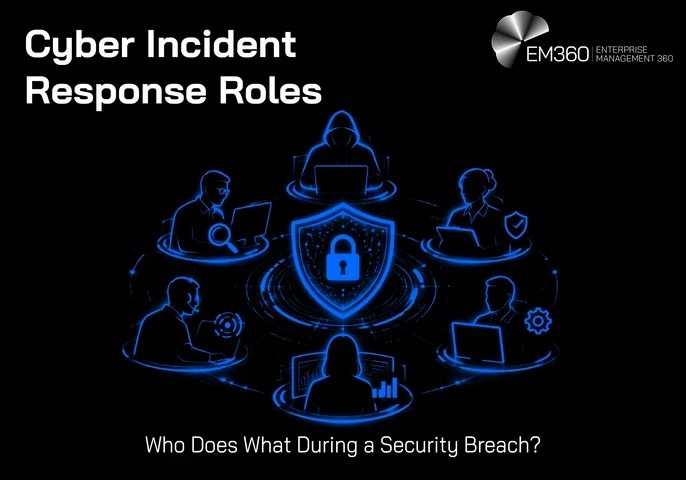
A cyber breach is not just a security problem. Here’s how different teams coordinate, make decisions and keep the organisation moving during an incident.
We look at where neoclouds fit into enterprise AI infrastructure sourcing and what leaders should consider before depending on them.

A guide to the metrics, models and blind spots behind knowing whether your organisation could actually survive a breach, not just say it's ready for one.
We report on OpenAI’s new misalignment reporting system and fresh findings about rogue agent activity involving Hugging Face.

In this Security Strategist episode, Dan Williams of Cambridge Intelligence joins Trisha Pillay to discuss how visualisation can help security teams turn complex data into clearer insights and decisions.

We look at whether your vulnerability process can turn a security finding into a CRA reporting decision before the clock runs out.


The AI safety debate is intensifying as calls for frontier regulation grow. This article examines the widening divide over how increasingly capable systems should be governed.

As enterprise infrastructure becomes more distributed, identity is becoming the invisible layer that determines who and what can access critical systems.
We report on SpaceX’s Starfall deal with Space Cargo and what the planned 2028 mission means for commercial orbital return.
We look at why AI agent evaluation can mistake metric success for real task success, and what enterprises need to trust the results.


How AI could make it easier to migrate between technologies while creating new forms of lock-in.

Why security teams need to rethink how they manage permissions for service accounts, AI agents, and other nonhuman identities.
Get the latest insights, analysis and tech news delivered straight to your inbox
Filters