








AI Agents Are Changing What Infrastructure Platforms Need To Know
As AI agents move closer to infrastructure operations, we look at what platforms need to make explicit before agents can reliably act.
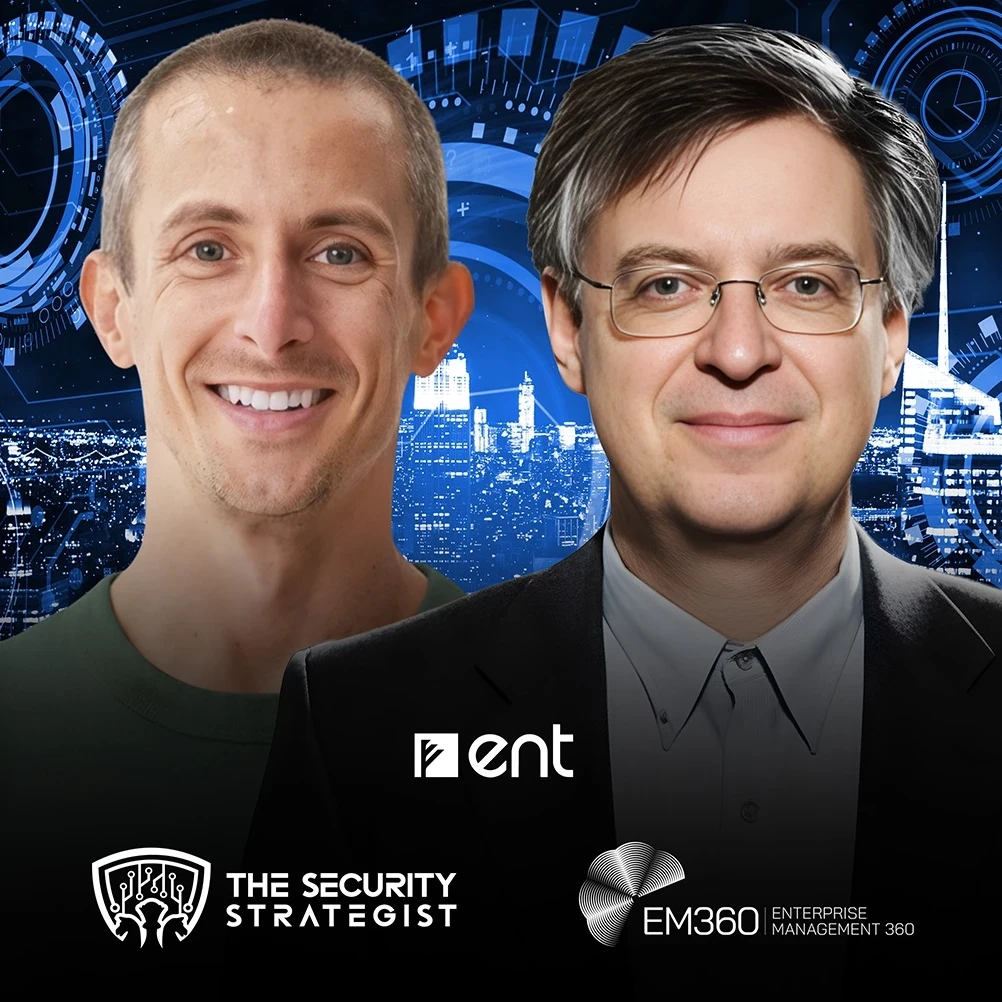
AI security isn’t about endless controls. Richard Stiennon speaks with Omar Khawaja and Danny Healy about understanding AI risks, strengthening governance and building trust as organisations scale.







Discover expert led podcasts, articles, and news from enterprise technology leaders at EM360Tech, your source for B2B tech intelligence
As AI agents move closer to infrastructure operations, we look at what platforms need to make explicit before agents can reliably act.


94% of technology leaders believe AI-generated code is higher quality when reviewed, but 78% report more incidents after deployment.

We look at how separate security weaknesses can combine into attack paths that give attackers a route through complex enterprise environments.
We report on the humanoid robots moving into real-world work at the World Robot Conference and the AI limitations still holding back wider adoption.
We look at how AI could remove human pauses from the cyber attack cycle and what shrinking intervention windows mean for enterprise security.


OpenAI is slowing parts of its AI development programme and pausing model testing for two weeks as it overhauls its research and training infrastructure following a security incident involving Hugging Face.


Identity-Native Security for the AI-Native Era

Triage alerts, find root cause, and prevent incidents at petabyte scale.
We look at why stronger data sovereignty could make organisations more willing to share valuable business data without giving up control.
The next challenge isn’t simply automating more work—it’s coordinating intelligent systems operating across multiple domains while maintaining operational trust.
We consider what humanitarian environments reveal about building, securing and governing technology when people depend on the outcome.


China’s move away from Microsoft Windows highlights a wider push for digital sovereignty, domestic technology and reduced reliance on foreign vendors.

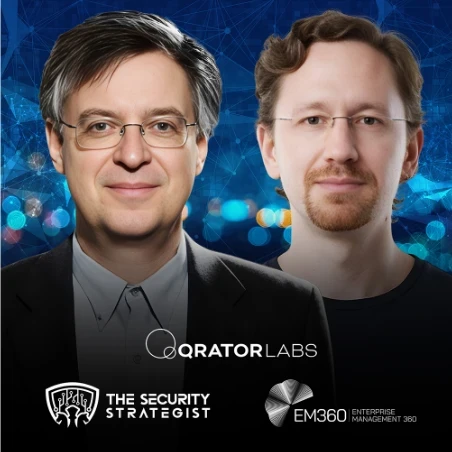
DDoS attacks are growing in scale and sophistication. Qrator Labs CTO Andrey Leskin joins Richard Stiennon to explore the evolving threat and how organisations can strengthen their defences.
Better models don't automatically create better AI systems. We look at where enterprise AI performance increasingly comes from instead.

“We were always going to be developer-focused and remain open source. All software companies say that they listen to their customers, but it is the open-source businesses that go the furthest in incorporating community conversations into their product development.”

How the security industry spent twenty years paying to keep 87% of its logs unreachable — and what finally changes that.

The global AI race is moving beyond models. We report on how geopolitical competition is starting to reshape the technology enterprises can use.


An Executive Q&A with Barbara Dondiego, CEO of AVOXI

Getting professional results from any repository requires specific workflow habits.

A research report on why mid-market companies get stuck - and a structured blueprint for moving forward.

The large language model is aimed at organisations that are building AI agents capable of planning tasks, using software tools and completing multi-step processes with less human intervention.


Cybersecurity is a data problem that never stands still. The threats are growing in volume and sophistication, the environments analysts must protect aremore complex and distributed than ever, and the cost of missing the right signal continues to rise.
Get the latest insights, analysis and tech news delivered straight to your inbox
Filters