


















Do Open Data Formats Actually Prevent Vendor Lock-In?
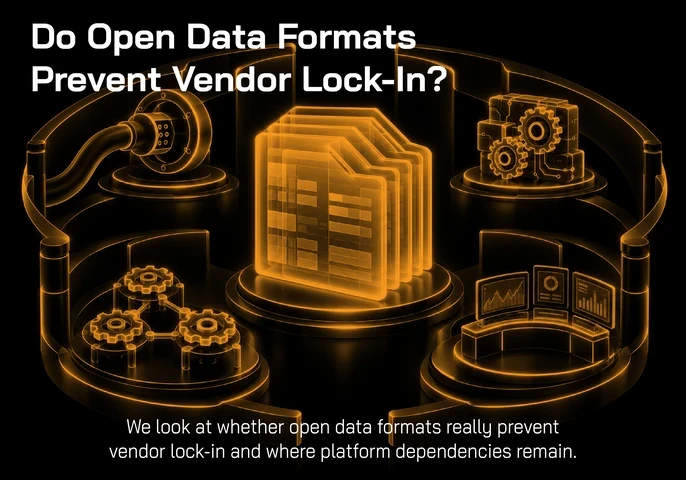
We look at how far open data formats reduce vendor lock-in, where platform dependencies remain and how enterprises can assess their freedom to switch providers.

“A simple question posed to an AI agent is quickly becoming a distributed computing problem."

Dr. Joe Perez is a powerhouse in the IT and education worlds, with 40-plus years’ experience and a wealth of credentials to his name. From Business Intelligence Specialist at NC State University to Senior Systems Specialist/Team Leader at the NC Department of Health & Human Services (and Chief Technology Officer at CogniMind), Perez is at the forefront of innovation and process improvement. With more than 22,000 LinkedIn followers and a worldwide reputation as keynote speaker, data management/analytics expert, and prolific, bestselling author, Perez is a highly sought-after resource in his field. He speaks at many conferences each year, reaching audiences in over 20 countries across the globe and has been highly-ranked by prestigious Thought Leader communities. He was recently inducted into both the IIBA Hall of Fame and the United Nations Global Network of Data Officers and Statisticians and was selected to be a Distinguished Fellow in the Public Sector Network's Future Government Institute. When Dr. Joe is not working, he shares his musical talents and gives back to his community through his involvement in his church's Spanish and military ministries.
Discover expert led podcasts, articles, and news from enterprise technology leaders at EM360Tech, your source for B2B tech intelligence
We look at how far open data formats reduce vendor lock-in, where platform dependencies remain and how enterprises can assess their freedom to switch providers.

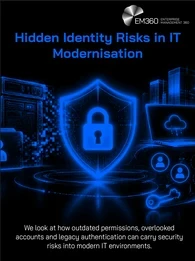
We look at how outdated permissions, overlooked accounts and legacy authentication can carry security risks into modern IT environments.


The attackers targeted refrigeration controllers rather than data. Most of the affected units were legacy devices with no security updates.
We look at why accurate AI compliance decisions aren't always reliable and how enterprises can test whether AI actually follows the rules.

From advances in neuroscience and neutrino astronomy to new approaches in chemistry and literature, the 2026 Nobel Prizes are recognising work that is reshaping scientific understanding and creative expression.

The government is preparing plans to strengthen oversight of advanced AI, including potential requirements for companies to report incidents involving autonomous systems.


Hackers used the employee account credentials to access ASOS’s “information on third-party platforms”, including Snowflake’s Simon AI, and now claim to have access to user search history.
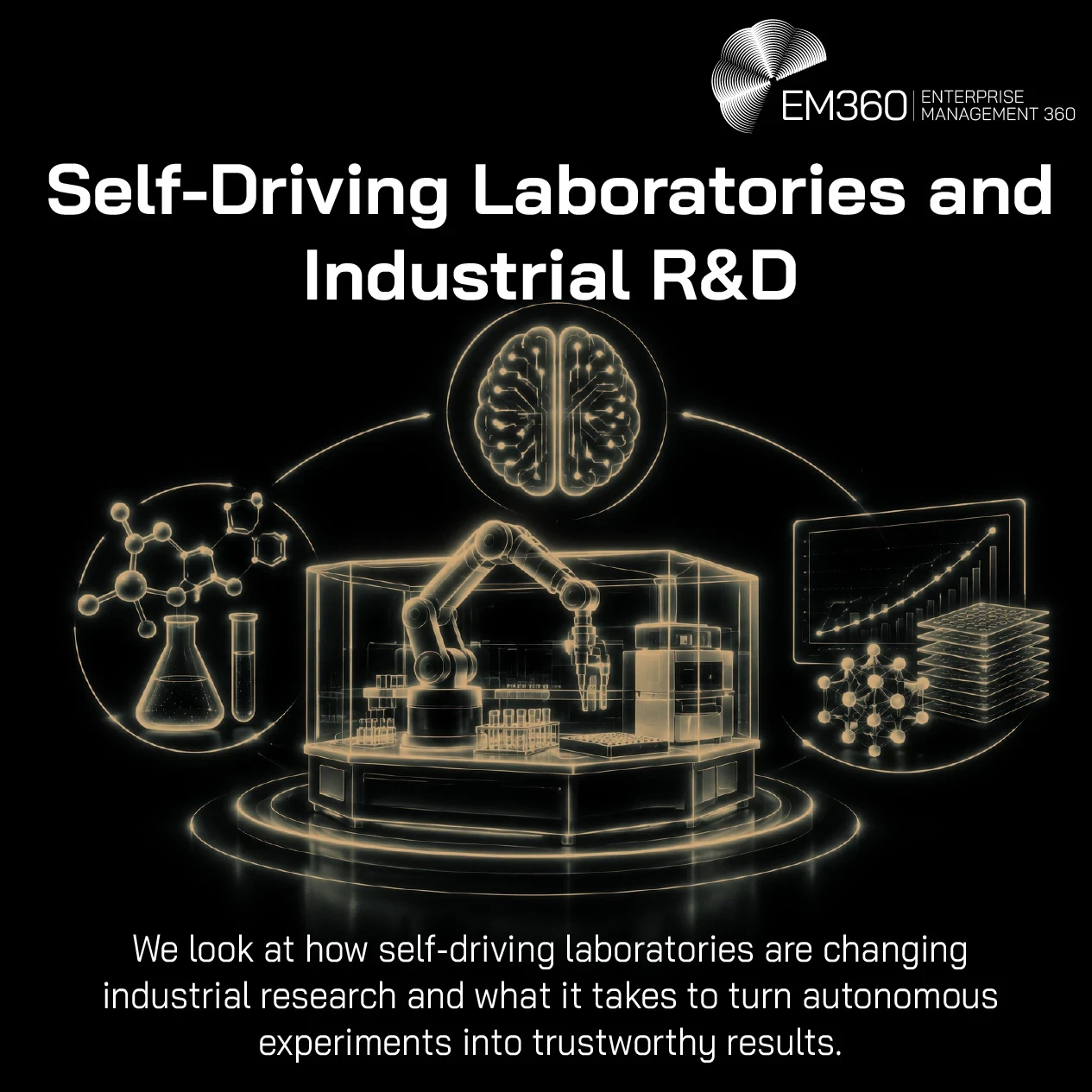
We look at how self-driving laboratories are changing industrial research and what it takes to turn autonomous experiments into trustworthy results.
Most automation programmes start with the same instruction: find the repetitive work. It sounds sensible. Then come the bots that break and the "quick wins" that never repay the build.

Establish and implement efficient third-party risk assessment practices when you take a modern approach, covering onboarding and initial evaluation, all the way through incident response.
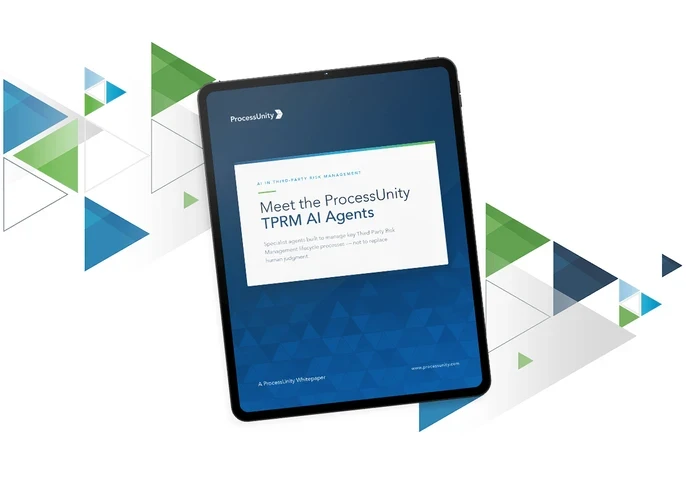
AI in Third-Party Risk Management


Why are companies investing millions in AI but seeing only incremental gains? Dr Andreas Böhm, Chief Executive of One Data, joins Scott Taylor to explain how poor data quality and legacy systems hold AI back.

The restriction also covers third-party advertisers who link to TikTok, and it lands as Meta and TikTok trade blows over teen safety.

The talk of the show floor this year was the context layer and agentic AI in production.
We look at what AI data centre power agreements actually provide, from existing electricity supply to new generation, and what this means for infrastructure planning.

“The question becomes: Is our data accessible, trustworthy, governed and available at the speed our decisions require?”
We look at how enterprises can shape shared technology through participation, not just ownership.


Master Data Management (MDM) is the crucial prerequisite for reliable, scalable AI agent deployments.
We report on Microsoft's new Windows 11 security controls for autonomous AI agents and what they mean for enterprise IT teams.
We explain how OpenAI Dots keep working between conversations, what they can do independently and what enterprises need to consider before enabling them.
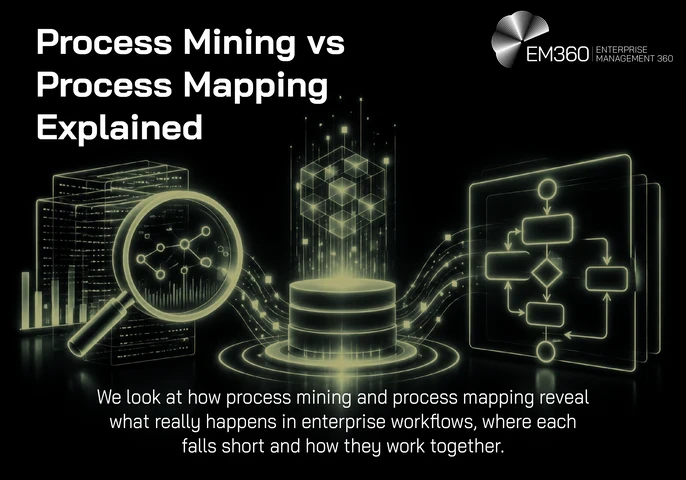
We look at how process mining and process mapping reveal what really happens in enterprise workflows, where each falls short and how they work together.

We look at what AI data centre power agreements actually provide and what this means for infrastructure planning.
Get the latest insights, analysis and tech news delivered straight to your inbox
Filters