


Protecting your business from malicious activity has never been more challenging.
Cyber attacks are on the rise – with almost 10,000 incidents being reported since January – and malicious actors are becoming more sophisticated in their attacks thanks to the increasing prevalence of AI in the cybercriminal underground.
With the threat higher than ever before, many organizations are being forced to increase their cybersecurity spending and implement new security defences to keep hackers out.
One increasingly prevalent defence employed by businesses is web application firewalls (WAFs), which are crucial to keeping online businesses and web applications secure in today’s ever-evolving threat landscape.

What is a web application firewall?
A web application firewall (WAF) is a security tool that acts as a shield for your web applications. It sits in front of your web applications and monitors the traffic going back and forth – filtering, inspecting and blocking any malicious activity it detects.
Unlike a regular firewall that operates at the network layer, WAFs function at the application of the OSI model. They act as a reverse proxy, sitting in front of your web servers so all web traffic destined for your application goes through the WAF before reaching, which inspects and filters it before passing legitimate requests onto the server.
Based on the inspection results, WAF enforces pre-configured security policies which define how to handle different types of traffic. If a threat is detected, the WAF blocks it and prevents it from reaching your web application and potentially causing harm.
How do WAFs protect against external threats?
WAFs are equipped with a database of known attack signatures. They compare incoming requests against these signatures to identify and block malicious patterns associated with common attacks like SQL injection or XSS.
When the WAF detects a potential threat based on its inspection, it takes action to block it. This can involve blocking the IP address of the attacker, dropping the malicious request, or challenging the user with a CAPTCHA to differentiate them from a bot.
Advanced WAFs can analyze request characteristics beyond just signatures. They look for unusual patterns in data formats, request frequency, or origin to identify suspicious behaviour that might indicate a zero-day attack.
WAFs also typically log all the activity they encounter, including blocked attacks and allowed traffic. These logs can be valuable for security audits, identifying trends in attack attempts, and fine-tuning your WAF's policies for optimal protection.
The three types of WAFs
There are three main types of web application firewalls (WAFs), which differ in their deployment and management style:

When Cyber Risk Hits the P&L
Unpacks the ten priciest breaches to show how cyber incidents cascade into long-term financial, legal, and reputational liabilities.
1. Cloud-based WAF
This is a subscription-based service offered by cloud security providers. The WAF resides in the cloud and filters traffic before it reaches your web servers. Cloud-based WAFs are easy to set up and manage as the service provider handles maintenance and updates. They are also scalable, and able to adjust to fluctuating traffic volumes. However, they may introduce latency since traffic travels to the cloud for inspection.
2. Hardware-based WAF
This type of WAF is a dedicated physical appliance installed on your network. It offers high performance and low latency because traffic inspection happens locally. Hardware-based WAFs provide granular control but require upfront investment and ongoing maintenance for the physical appliance.
3. Software-based WAF
This option comes as software that can be installed on your web servers or in virtual machines. It offers more flexibility than hardware WAFs and can be more cost-effective. However, software-based WAFs can consume server resources and require additional configuration and security management.
Inside the New Blockchain Stack
See how MPC custody, SIEM-integrated on-chain monitoring and off-exchange settlement are reshaping enterprise blockchain controls.

Best Web Application Firewalls (WAFs)
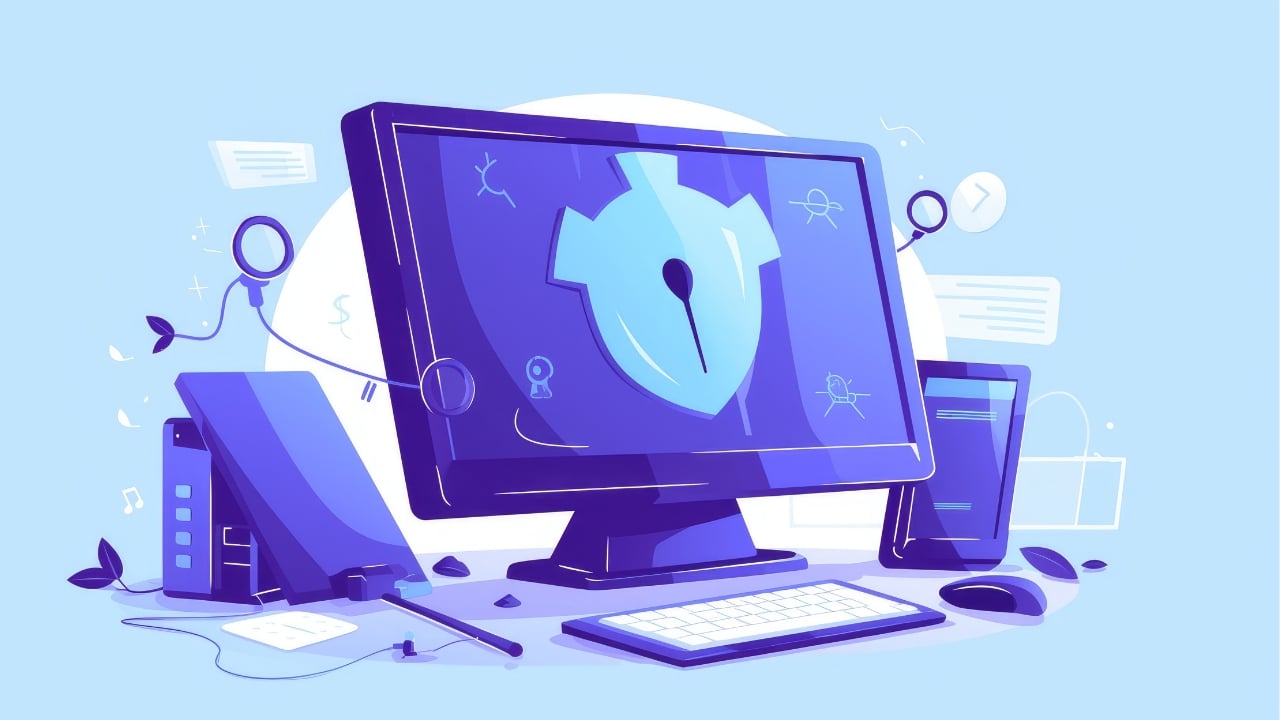
There are a variety of WAFs and WAF vendors on the market today, each of which can help you keep malicious actors away from your website. But, as is usually the case with these things, not all of these WAFs are made the same.
In this list, we’re counting down ten of the best web application firewalls (WAFs) available today based on their range of features and popularity with users.



Comments ( 0 )