
Last month, the UK declared a blanket ban on social media for kids below the age of 16. Prime Minister Keir Starmer imposed restrictions on gaming and live-streaming platforms, according to Reuters.
Since then, there has been heightened scrutiny on big tech and the implications of its access on users below the age of 16.
Earlier today, Ofcom, the British media regulator for communications, launched an investigation into the Chinese social networking service TikTok to see why children are still not entirely protected from harmful content.
Ofcom plans to examine TikTok’s inference model and its content-filtering process for content reaching young users.

According to Reuters, the British regulator launched an official inquiry into TikTok to understand whether its UK unit failed or is failing to protect children from harmful content.
“Ofcom will look into whether the platform has measures to assess if a particular user is a child and adequate systems and processes to prevent children from viewing harmful content,” the report stated.
TikTok Denies Age Breach
TikTok has denied these breaches. A representative from the Chinese company told Reuters:
"We strictly enforce age-appropriate experiences through expert-informed platform rules and advanced age inference technologies, in line with major industry peers."
"We are confident that we meet our Online Safety Act obligations and will work with Ofcom to demonstrate this,” the statement added.

Two months ago, Ofcom had voiced its concerns to TikTok as well as Alphabet’s YouTube about their failure to protect British children from harmful online content. This statement was backed by data that depicted the extensive exposure on the social service platforms.
Ofcom claimed that neither TikTok nor YouTube executed any significant or new measures to make recommendations feeds safer. Evidence, in fact, has shown that the recommendations feed is the main pathway for children to come across harmful content.
Also Read: Is TikTok Safe? How the Viral Video-Sharing App Uses Your Data

When Platforms Betray Communities
How ownership changes, ad demands and moderation choices turned a creative social hub into a case study in misaligned platform strategy.
Online Safety Act Obligations
This morning, Ofcom stated that in light of these concerns, the investigation will seek to establish whether there are reasonable grounds to believe that TikTok has failed or is failing to comply with its legal obligations.
These obligations are particularly related to Part 3 of the Online Safety Act. This Act, as per Ofcom, “imposes duties on providers of regulated user-to-user services that are likely to be accessed by children from harmful content.”
Below are the duties to be followed by social media platforms such as TikTok as laid out by the British media regulator:
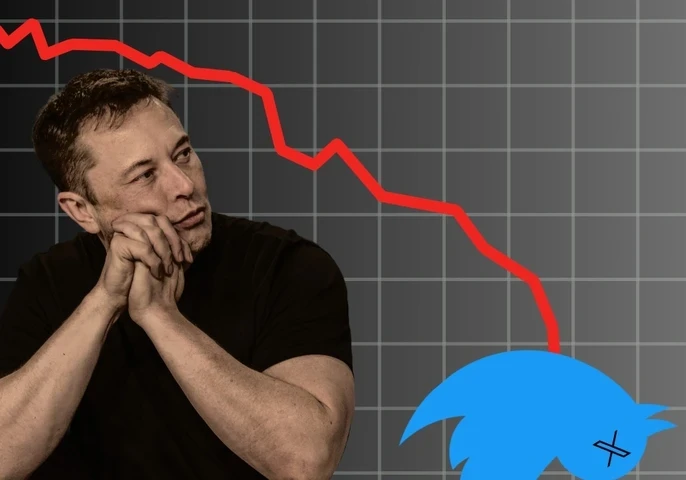
Read What Happened to Twitter? Elon Musk’s Rebrand to X Explained Rebuilding Twitter as X
Assesses how X’s new revenue model, recommendation changes, and lighter moderation are reshaping engagement quality and platform economics.
- The duty under section 12(3)(a) to use proportionate systems and processes designed to prevent children of any age from encountering primary priority content that is harmful to children;
- the duty under section 12(3)(b) to use proportionate systems and processes designed to protect children in age groups judged to be at risk of harm from other content that is harmful to children (or from a particular kind of such content) from encountering it by means of the service; and
- the duty under sections 12(4) and (6) to meet the duty set out in section 12(3)(a) by using age assurance that is highly effective at correctly determining whether or not a particular user is a child to prevent children from encountering primary priority content which the provider identifies on the service (this duty applies except, under section 12(5), where a provider’s terms of service indicate primary priority content is prohibited and this applies to all users of the service).
This means that if children encounter harmful content on such platforms like TikTok, Ofcom can call in an inquiry to determine whether children are protected from harm.
These platforms use reasonable systems that measure risk to stop children from such harmful material online. Additionally, on the scale of harmful content - the primary priority content, for instance or self-harm material- a lighter measure is not adequate.
Also Read: TikTok Owner ByteDance Brings Video Generation to Doubao AI
Social media platforms are required to use age checks that are highly effective at correctly identifying whether a user is a child. This doesn't apply if the platform simply bans that content for all users, child or adult.
Ofcom stated that using age assurance that is highly effective at correctly determining whether or not a particular user is a child is primary.




Comments ( 0 )