


Protecting your business and customers from online fraud can be challenging.
The rise of digital transactions and the increasing availability of personal data online have made identity fraud more common than ever before. In 2022, identity theft losses reached $52 billion in the US alone, and this number is expected to double by 2024.
New technologies, such as deepfakes and AI, have also made it easier for fraudsters to create fake identities and bypass traditional security measures. So how can organisations verify the identity of their customers and protect them from fraud?
Enter identity verification software.

What is identity verification software?
Identity verification software is a type of software that helps businesses verify the identity of their customers.
It typically involves collecting and verifying personal information, such as name, address, and date of birth to verify a user’s identity. This can be done through a variety of methods, such as document verification, facial recognition, and voice recognition.
Identity verification software can be used in a variety of ways. For example, businesses may use identity verification software to verify the identity of customers who are opening new accounts. Businesses may also use identity verification software to verify the identity of customers who are making high-value transactions.
Why Does Identity Verification Matter?
There are a number of reasons why businesses use identity verification. One main reason is to prevent fraud and keep their users and customers secure. By verifying the identity of their customers, businesses can reduce the risk of fraud, such as identity theft and account takeover.
Another reason is to comply with regulations. Many industries, such as financial services and healthcare, have regulations that require businesses to verify the identity of their customers. Identity verification software can help businesses to comply with these regulations.
Types of identity verification software
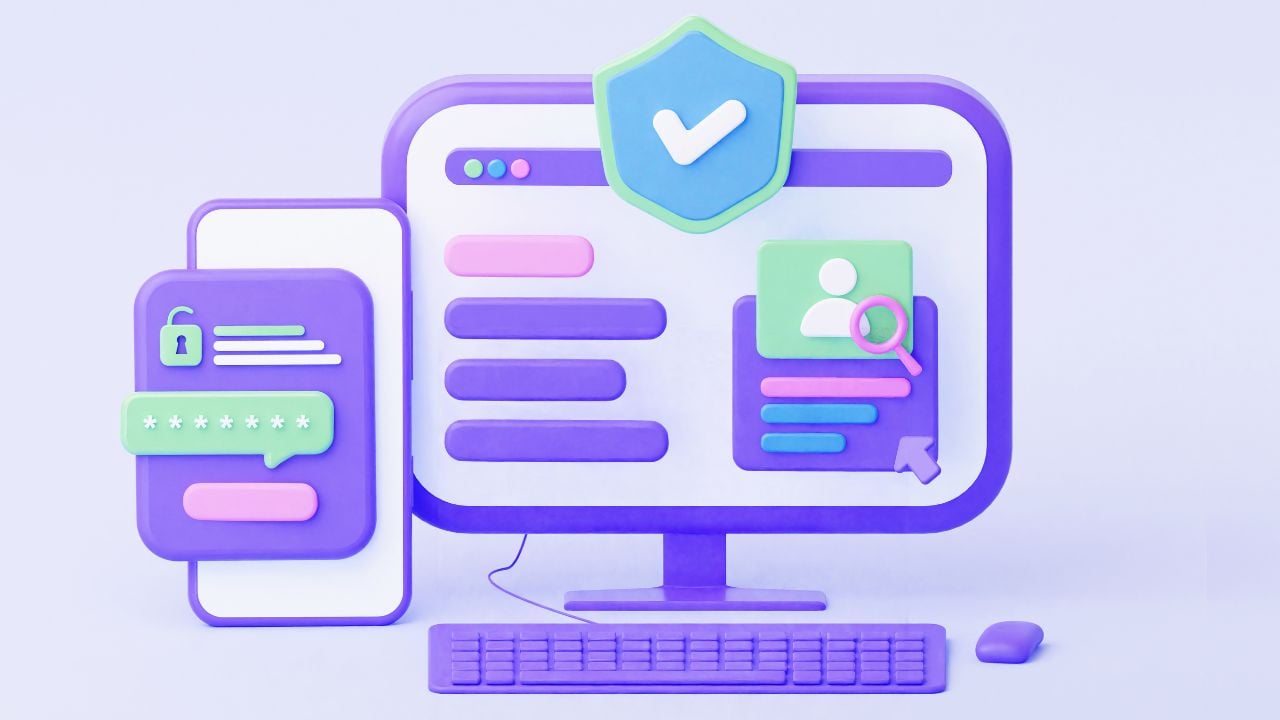
There are a number of different types of identity verification software available today, each with its own strengths and weaknesses. Some of the most common types of software include:
- Knowledge-based authentication (KBA): This type of software asks users to answer a series of questions about themselves, such as their date of birth or the name of their first pet.
- Document verification: This type of software uses algorithms to analyze images of identity documents, such as passports or driver's licenses.
- Facial recognition: This type of software uses algorithms to compare a user's face to a photograph of their identity document.
- Liveness detection: This type of software uses algorithms to detect whether a user is a real person or a computer-generated image.
Each of these types of software has its own advantages and disadvantages. For example, KBA is a relatively inexpensive and easy-to-implement solution, but it can be easily bypassed by fraudsters who have access to a user's personal details.
And while Document verification is more secure than KBA, it can be difficult to implement and may not be effective against synthetic IDs.

When MFA Becomes Mandatory
Stronger authentication is shifting from optional control to baseline requirement under rising breach counts and tighter regulations.
Choosing Identity Verification Software
There are a number of different types of identity verification software available today. Some types of software focus on verifying identity documents, such as driver's licenses and passports, while other types of software focus on verifying the identity of individuals through biometrics using facial or voice recognition.
Choosing the right identity verification software for your business can be tough. The software you choose will be responsible for protecting your customers and your business from fraud.
Here are some factors to consider when choosing identity verification software:
- Security. The software should use industry-leading security standards to protect your customers' data.
- Accuracy. The software should be able to accurately identify and verify customers.
- Ease of use. The software should be easy to use for both your customers and your employees.
- Affordability. The software should be affordable and fit within your budget.
- Scalability. The software should be able to scale with your business as it grows.
- Compliance. The software should comply with all applicable laws and regulations.
Inside Modern CIAM Architecture
How SSO, MFA, adaptive controls and social identity interlock to form a unified access layer across apps, portals and cloud estates.

Top identity verification software solutions
There are a variety of identity verification software available on the market today. These solutions offer a variety of features, such as document verification, facial recognition, and voice recognition. They also offer different pricing plans to fit businesses of all sizes.
This article explores some of the best identity verification software solutions available today based on their security features, ease of use and affordability.

Comments ( 0 )