


Enterprise marketing has a visibility problem.
Not because marketers aren’t doing enough. Most teams are doing more than ever. More content. More channels. More dashboards. More data. More tools promising to show who’s interested, who’s active, and who might be ready to buy.
And yet, a lot of buying decisions still seem to form somewhere else.
A buyer engages, then goes quiet. A lead looks promising, then falls apart in the first real conversation. An account shows intent, but never builds momentum. A campaign performs well, but sales still struggles to find opportunities with real internal confidence behind them.
That’s the approval economy.
It’s the buying environment where attention is no longer the hardest part. Approval is.
This report explains what’s changed, why traditional demand signals now tell an incomplete story, and what enterprise marketing needs to do when influence forms before intent becomes visible.
Download the report to understand where the buying journey has really moved.
Why This Report, And Why Now
Enterprise buyers aren't short of information.
That’s the problem.
They can compare vendors before speaking to sales. They can ask AI tools for category summaries. They can check review platforms, listen to expert conversations, ask peers, read analyst commentary, and build an early view of the market long before they appear in a CRM.
But more information doesn’t automatically create a better decision.
Inside the business, someone still has to justify the spend. Someone has to explain the risk. Someone has to bring finance, security, procurement, legal, operations, and leadership into the same conversation without the whole thing collapsing into “let’s revisit this next quarter.”
That’s where a lot of enterprise marketing breaks down. It can create attention. It can generate engagement. It can move people into the pipeline. But it doesn’t always help buyers build the internal confidence they need to move a decision forward.
This report looks at that gap and shows why the next phase of enterprise marketing has to focus less on visible activity and more on decision readiness.

When AI Theft Meets Geopolitics
Anthropic’s claims against Alibaba show how model scraping is reshaping export controls, sanctions policy and AI vendor due diligence.
At a Glance
- Why buyers often know more than vendors realise before first contact
- How AI search, reviews, analysts, podcasts, and peers are reshaping early influence
- Why clicks, downloads, and registrations don’t always mean buying progress
- Where enterprise deals really stall once risk, budget, and internal scrutiny enter the room
- Why generic content is becoming easier to produce but harder to trust
- How marketing can help buyers explain, defend, and carry decisions through the business
- What leaders should change if they want stronger pipeline, not just more pipeline
What You Will Learn
How buyer confidence is built before a lead exists
The report shows how buyers start forming opinions through external sources, private conversations, AI-generated answers, and third-party validation before vendors see clear signs of demand.
Why approval is now the harder commercial problem
Getting someone interested is useful. But it doesn’t mean they can win budget, answer security concerns, satisfy procurement, or explain the decision to leadership. The report looks at why approval has become the real test.
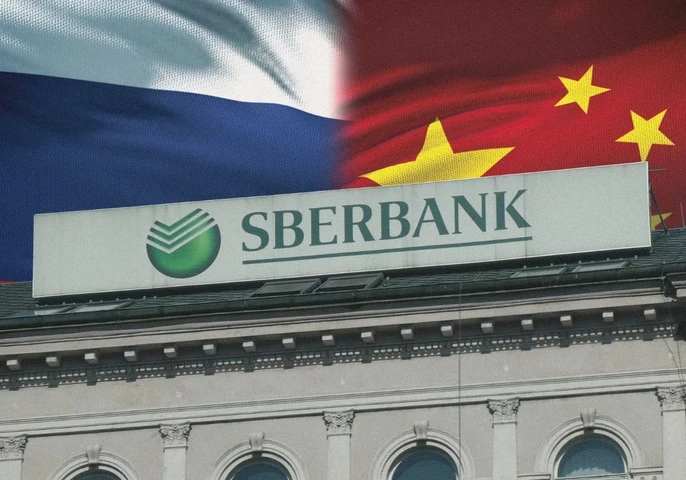
Inside GigaChat’s China Chip Bet
Russia’s flagship LLM pivots to Chinese silicon, revealing how AI ambitions now hinge on constrained compute and alternative supply chains.
Why some demand metrics now create false comfort
MQLs, intent data, and engagement scores can still help. But they can also make teams overestimate readiness. This report explains the difference between visible activity and real buying confidence.
What buyers need when risk comes first
Enterprise buyers aren't simply cautious. They’re accountable. The report explains why buyers increasingly look for vendors that make risk clearer, trade-offs easier to understand, and decisions safer to defend.
Why trust now depends on more than vendor content
Sponsorship isn't the problem. Over-control is. The report explores why analyst-led conversations, review platforms, expert media, customer voices, and visible human judgement now carry more weight.
How content can support the decision after the meeting
Some content helps people discover a problem. Other content helps them justify action. The report explains why marketing teams need both, and why approval-focused content is becoming more important.
What decision enablement looks like in practice
The report gives marketing leaders a practical way to help buyers understand the problem, compare options, validate claims, align stakeholders, and keep the story coherent after the vendor leaves the room.

Managing GPT-5.6 Safety Risks
What stricter safeguards, red teaming and policy delays reveal about governing advanced models in security and high-risk domains.
Who Should Read This
- CMOs and marketing leaders rethinking how enterprise demand is created
- VPs of Demand Generation and Heads of Growth trying to improve lead quality
- Revenue leaders who want stronger alignment between marketing activity and real buying progress
- Sales leaders dealing with buyers who engage early but stall later
- Enterprise technology vendors selling into complex, risk-aware buying committees
- Teams investing in thought leadership, podcasts, analyst-led campaigns, review platforms, or third-party credibility
Inside The Report
1) Where The Buyer Journey Has Moved
A clear look at why enterprise research now happens across AI tools, peer networks, review ecosystems, analyst commentary, executive media, and internal conversations that vendors can’t fully track.
2) Why Attention Doesn’t Equal Progress
A practical explanation of why strong engagement can still lead to weak pipeline when the buyer doesn’t have enough internal support, evidence, or confidence to move.
3) The New Risk Logic Behind Enterprise Buying
An exploration of why buyers are asking harder questions earlier, and why vendors need to make implementation, governance, supplier risk, and business impact easier to understand.
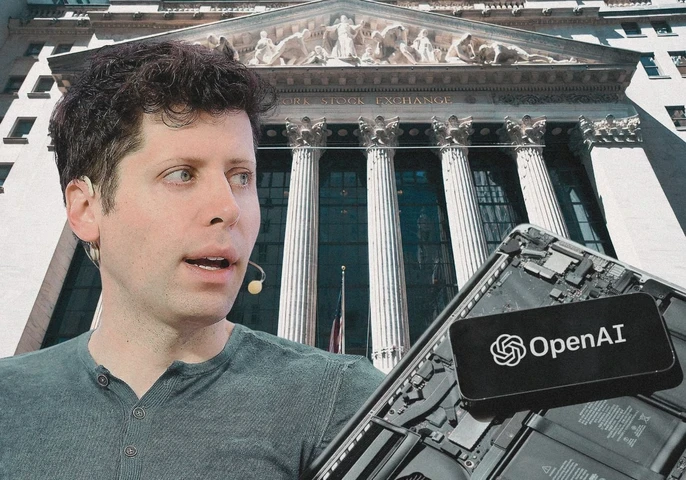
When AI Giants Hit Public
OpenAI, Anthropic and SpaceX line up trillion-scale IPOs, forcing boards to rethink AI exposure, deal timing and concentration risk.
4) The Problem With Traditional Qualification
A closer look at why visible behaviour can be misleading, what stronger buying signals look like, and why sales and marketing often disagree about lead quality.
5) The Trust System Around The Vendor
A breakdown of how credibility now forms through analysts, practitioners, reviews, podcasts, AI answers, executive voices, and peer conversations, not just vendor-owned channels.
6) The Content Buyers Actually Need To Move
A practical view of the difference between content that earns attention and content that helps a buyer defend the decision across finance, security, procurement, operations, and leadership.
7) How Marketing Becomes More Useful To Revenue
A framework for shifting from lead generation alone to decision enablement, where marketing helps buyers carry clearer, stronger, more defensible decisions through the business.
How To Use This Report
- Use it to rethink what your team counts as a qualified lead
- Use it to audit whether your content supports approval, not only awareness
- Use it to improve sales and marketing alignment around buyer readiness
- Use it to strengthen analyst-led, podcast, review, and third-party credibility strategies
- Use it to build messaging buyers can repeat internally without losing the point
- Use it to explain why pipeline quality depends on confidence, not just activity
What Makes This Report Useful
- Clear language for a shift many marketing and sales teams are already feeling but haven’t fully named
- A practical explanation of why buyers engage, go quiet, and make progress outside vendor visibility
- A stronger way to think about trust, credibility, AI search, and buyer independence
- Useful guidance for turning content into decision support, not just campaign material
- A strategic framework marketing leaders can take into planning, sales alignment, and leadership conversations
Ready To Compete In The Approval Economy
The brands that win won’t simply be the loudest. They’ll be the ones buyers can explain clearly, trust more easily, and defend when the real decision happens somewhere else. Download your copy of The Approval Economy: Why Enterprise Marketing Is Losing Control Of The Buying Journey and see what enterprise marketing needs to become next.



Comments ( 0 )